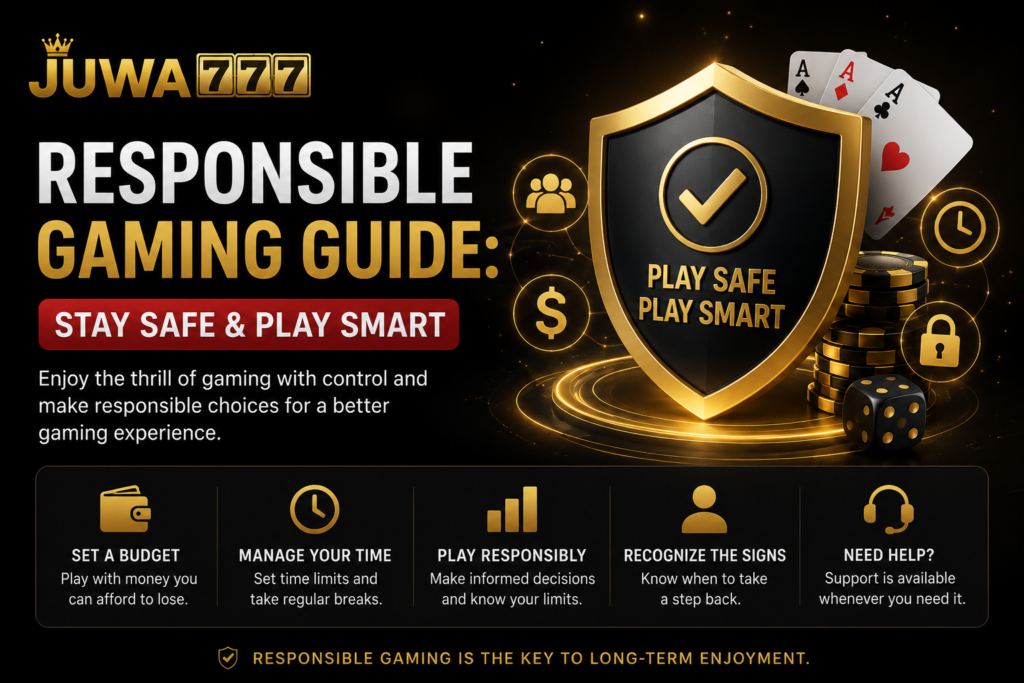
Online gaming has evolved rapidly over the past decade. Platforms now offer immersive graphics, exciting rewards, live interactions, and instant access from virtually anywhere. While this evolution has made gaming more entertaining than ever before, it has also increased the importance of responsible gaming practices. Maintaining balance, discipline, and awareness is essential to ensure that gaming remains a fun and enjoyable activity rather than becoming a source of stress or financial pressure.
Responsible gaming is not about avoiding entertainment. Instead, it focuses on building healthy habits, understanding risks, and making informed decisions while playing. Whether you are completely new to online casino platforms or have years of experience, learning how to stay in control can significantly improve both your gaming experience and your overall well-being.
This guide explores the most important principles, strategies, and tools that help players maintain responsible gaming habits while enjoying their favorite games.
Understanding Responsible Gaming
Responsible gaming refers to a set of practices designed to help players enjoy online gaming safely and within healthy limits. It encourages self-control, financial discipline, emotional awareness, and informed decision-making.
At the core of responsible gaming is the understanding that casino games are based on chance. While strategies may improve your decision-making process, no system can guarantee consistent winnings. Every outcome is independent, especially in games powered by Random Number Generator (RNG) technology. Recognizing this reality helps players maintain realistic expectations and avoid emotional decision-making.
Gaming should always be viewed as a form of entertainment rather than a guaranteed source of income. When players adopt this mindset, they are more likely to enjoy the experience without unnecessary pressure or frustration.
Why Responsible Gaming Matters
The convenience of mobile and online gaming allows players to access games at any time. While this accessibility is beneficial, it can sometimes make it difficult to monitor spending habits or playing time.
Without clear boundaries, players may begin to:
- Spend more money than intended
- Chase losses emotionally
- Play for longer periods than planned
- Ignore personal responsibilities
- Experience stress or frustration related to gaming
Responsible gaming practices help prevent these issues by encouraging structure, awareness, and moderation. Players who set healthy boundaries often enjoy gaming more because they remain in control of both their finances and emotions.
Additionally, responsible gaming promotes long-term enjoyment. Rather than experiencing burnout or financial pressure, disciplined players can continue to enjoy their favorite games sustainably over time.
Setting a Gaming Budget
One of the most important elements of responsible gaming is bankroll management. Before starting any gaming session, players should establish a clear budget that they are fully comfortable losing.
This budget should never interfere with essential financial obligations such as:
- Rent or mortgage payments
- Utility bills
- Food expenses
- Savings goals
- Emergency funds
A common recommendation among experienced players is to separate entertainment funds from essential living expenses. By treating gaming money as part of an entertainment budget, players can enjoy themselves without financial stress.
Create Daily, Weekly, and Monthly Limits
Instead of relying solely on a single session budget, many players benefit from setting multiple financial limits:
Daily Limits
Control short-term spending during individual gaming sessions.
Weekly Limits
Prevent overspending across multiple sessions.
Monthly Limits
Provide a broader view of overall gaming expenses.
Tracking spending habits over time can help identify unhealthy patterns before they become problematic.
Managing Time Effectively
Time management is just as important as financial discipline. Online gaming platforms are designed to be engaging, and it can be easy to lose track of time during extended sessions.
To maintain healthy habits, players should:
- Set session timers
- Take regular breaks
- Avoid late-night marathon sessions
- Balance gaming with work, exercise, and social activities
Many experienced players use alarms or reminders to limit session duration. Taking short breaks every hour can improve focus, reduce impulsive decisions, and prevent emotional fatigue.
Maintaining a balanced lifestyle outside gaming is essential. Gaming should complement daily life rather than replace important responsibilities or relationships.
Recognizing Emotional Triggers
Emotions play a major role in gaming decisions. Responsible players learn to recognize emotional triggers that can lead to impulsive behavior.
Common emotional triggers include:
- Frustration after losing
- Excitement during winning streaks
- Stress from personal situations
- Boredom or loneliness
- Anger or disappointment
One of the most dangerous habits is “chasing losses.” This occurs when players increase their bets emotionally in an attempt to recover previous losses quickly. Chasing losses often leads to even greater financial damage because decisions become driven by emotion rather than logic.
If emotions begin influencing gameplay, the best decision is usually to step away temporarily. Taking a break helps restore clarity and prevents impulsive behavior.
Using Built-In Responsible Gaming Tools
Most reputable online gaming platforms now provide tools designed to support responsible gaming habits. Players should actively use these features rather than ignoring them.
Deposit Limits
Deposit limits restrict how much money can be added to an account within a certain period. These limits help prevent overspending and encourage budgeting discipline.
Session Reminders
Session reminders notify players about how long they have been playing. This helps maintain awareness of time spent gaming.
Cooling-Off Periods
Cooling-off periods temporarily restrict account access for a short duration, allowing players to take a break and regain perspective.
Self-Exclusion Options
Self-exclusion tools allow players to block access to their accounts for extended periods if gaming becomes difficult to control.
Using these tools demonstrates responsibility and self-awareness, not weakness.
Learning Game Mechanics Before Playing
Another important aspect of responsible gaming is understanding the games you play. Many players make impulsive wagers without fully understanding the rules, payout systems, or odds involved.
Before playing any game, players should:
- Read the rules carefully
- Understand paytables
- Learn bonus features
- Study volatility and RTP percentages
- Practice in demo mode when available
Knowledge reduces confusion and helps players make informed decisions. It also prevents unrealistic expectations about how games operate.
For example, high-volatility games may produce larger payouts but less frequent wins, while low-volatility games offer smaller but more consistent payouts. Understanding these differences allows players to choose games that match their comfort level and risk tolerance.
Avoiding Common Gaming Mistakes
Even experienced players sometimes develop unhealthy habits. Recognizing common mistakes can help prevent unnecessary losses and emotional frustration.
Chasing Losses
Attempting to recover losses quickly usually leads to reckless decisions and larger losses.
Increasing Bets Emotionally
Sudden increases in wager size often occur during emotional moments rather than strategic thinking.
Ignoring Breaks
Long gaming sessions reduce focus and increase impulsive behavior.
Playing Under Stress
Gaming while emotionally upset can impair judgment and lead to poor decisions.
Treating Gaming as Income
Casino games should never replace stable income sources or financial planning.
Avoiding these mistakes greatly improves long-term gaming discipline.
Building a Healthy Gaming Mindset
Responsible gaming begins with the right mindset. Players who maintain healthy expectations are less likely to experience frustration or emotional pressure.
A healthy gaming mindset includes:
- Viewing gaming as entertainment
- Accepting both wins and losses calmly
- Staying patient and disciplined
- Avoiding unrealistic expectations
- Celebrating moderation and self-control
Winning streaks and losing streaks are both natural parts of gaming variance. Responsible players remain emotionally balanced regardless of short-term outcomes.
Discipline is often more important than strategy. A player with strong self-control will usually have a healthier long-term experience than someone who relies entirely on aggressive betting systems.
Tips for Beginners
New players should focus on learning rather than chasing quick profits. Starting slowly helps build confidence and reduces unnecessary risk.
Start with Small Bets
Low-stakes games allow beginners to learn without major financial pressure.
Use Demo Modes
Practice games provide valuable experience without risking real money.
Learn Gradually
Focus on understanding one game at a time rather than trying everything immediately.
Set Strict Limits
Establish boundaries early to develop healthy habits from the beginning.
Stay Patient
Gaming skills and discipline improve over time with experience and practice.
Beginners who prioritize learning and control often develop far healthier gaming habits in the long run.
Advanced Responsible Gaming Practices
Experienced players often take responsible gaming even further by using advanced self-management techniques.
These may include:
- Tracking detailed session statistics
- Separating bankrolls by game type
- Reviewing emotional patterns after sessions
- Limiting high-risk betting strategies
- Scheduling planned gaming days
Some advanced players even maintain gaming journals to monitor spending, emotions, and decision-making patterns over time. This level of self-awareness can greatly improve long-term discipline.
When to Seek Help
Responsible gaming also means recognizing when gaming is no longer fully under control. Warning signs may include:
- Spending beyond your budget
- Hiding gaming activity from others
- Feeling anxious when not playing
- Neglecting responsibilities
- Borrowing money to continue gaming
If these behaviors appear consistently, seeking support is important. Many organizations and support services specialize in helping individuals regain healthy gaming habits.
Acknowledging a problem early is a sign of strength and self-awareness.
Conclusion
Responsible gaming is the foundation of a healthy and enjoyable online gaming experience. While strategies, bonuses, and gameplay mechanics all contribute to excitement, true long-term enjoyment comes from maintaining balance, discipline, and control.
By setting financial limits, managing time wisely, understanding emotional triggers, and using built-in responsible gaming tools, players can protect both their finances and their well-being. Online gaming should remain a source of entertainment, relaxation, and excitement—not stress or pressure.
The most successful players are not necessarily those who win the most money. They are the players who maintain self-control, make informed decisions, and enjoy the experience responsibly over time.
Approach every gaming session with awareness, patience, and discipline. With the right mindset and healthy habits, gaming can remain a safe, enjoyable, and rewarding form of entertainment for years to come.